Analysis · Daymerica’s interpretation of the evidence, with possible outcomes and what to watch next.
The Trump administration has authorized Russian diesel sales and imports, including deliveries to the United States, through a temporary sanctions license issued October 9. Whether that brings cheaper fuel depends on how much additional diesel reaches buyers, and when.
What does the Russian diesel waiver allow?
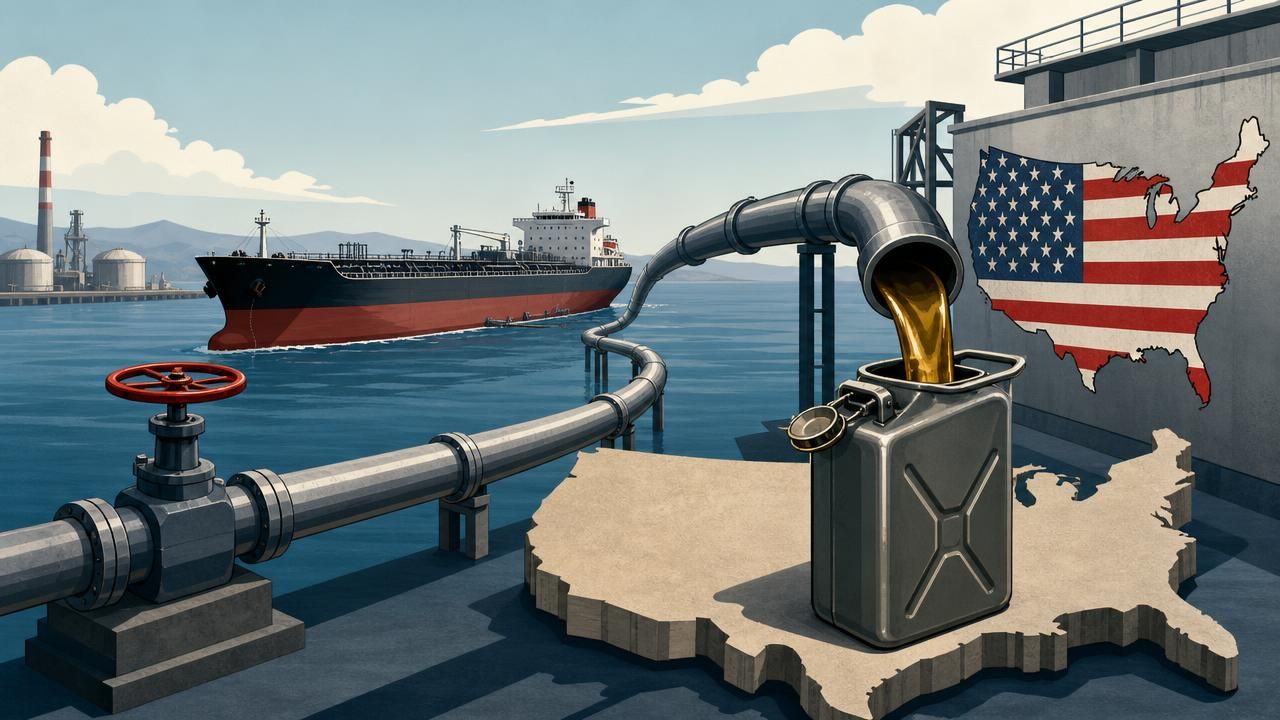
Treasury’s Office of Foreign Assets Control issued General License 135, covering diesel of Russian origin under two sets of U.S. sanctions regulations: 31 CFR parts 587 and 589. It authorizes transactions related to selling, delivering, unloading and importing that fuel, with U.S. imports expressly included.
The authorization runs through 12:01 a.m. Eastern daylight time on April 7, 2027. That is shortly after midnight at the beginning of April 7, not the end of that day.
The license has an explicit exception: it does not permit debits to accounts at U.S. financial institutions belonging to Russia’s central bank, National Wealth Fund or Ministry of Finance. It specifies neither a cargo-volume ceiling nor a requirement that fuel already be aboard a ship before a particular date.
This is a diesel authorization within the named sanctions programs. It is not a blanket repeal of Russian sanctions or permission to import every Russian energy product. Readers can check the complete General License 135 PDF[1].
What did Trump say Russia would supply?
In his public announcement[2], President Donald Trump said he had agreed with Russian President Vladimir Putin on more than 300,000 tons of diesel immediately, another 500,000 tons in November and 1 million tons afterward.
He also described another 3 million tons to follow, depending on the condition of Russia’s refineries. He named both the American and global markets; he did not allocate those quantities between them.
Those are announced supplies, not verified deliveries. The post does not identify buyers, receiving ports, prices or a dated schedule for every shipment. The license itself does not establish a purchase contract.
Will it lower U.S. diesel prices?
The strongest case for relief is additional fuel reaching a tight market. EIA’s September 18 explanation of diesel prices[3] described reduced refining activity in Russia, China and the Middle East. The agency said tighter overseas supply had increased U.S. import costs and demand for American diesel exports.
Additional supply elsewhere could reduce competition for U.S. fuel, even when the Russian cargo lands outside the United States. That is a possible benefit of the waiver; the announcement does not establish that prices have already fallen.
Delivery matters. A shipment that adds fuel to world supply offers more potential relief than one merely diverted from another buyer. Delays or further refinery disruption would weaken the case for lower prices.
Diesel is refined fuel, not crude oil. A narrower gap between wholesale diesel and crude prices could reduce the fuel bill without requiring an equally large fall in crude.
Who could benefit, and what could disappoint?
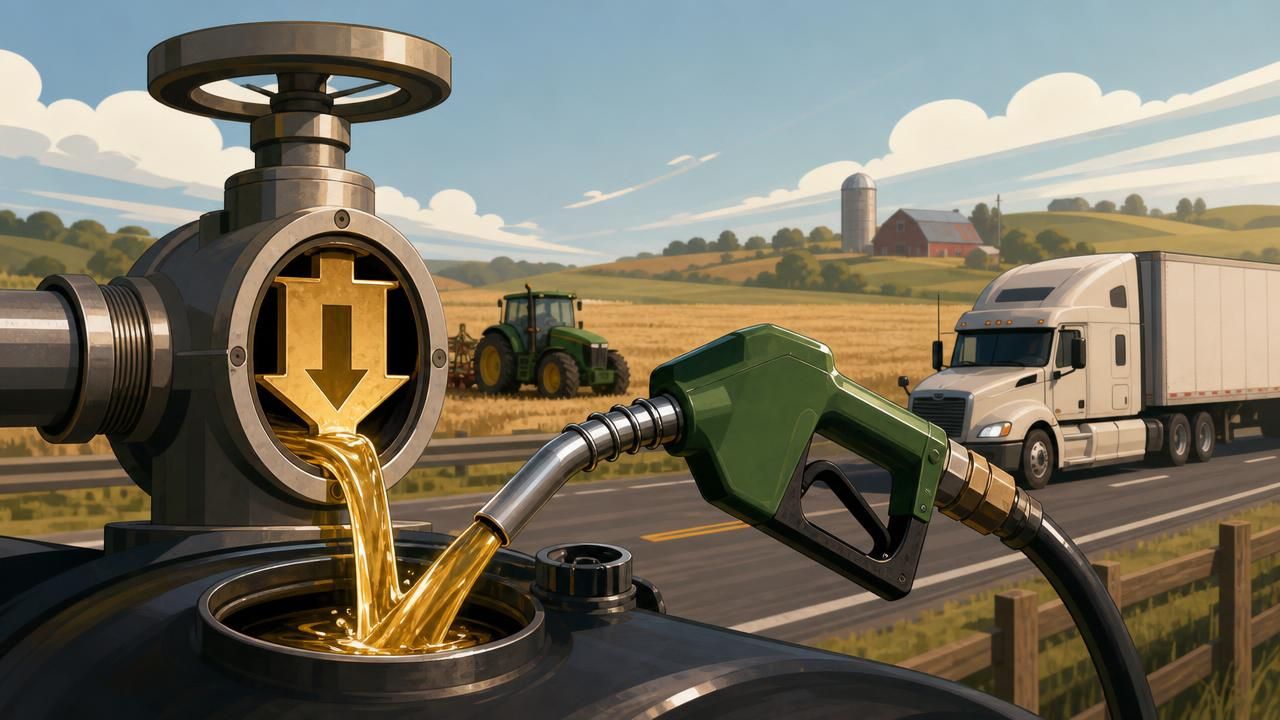
Cheaper diesel could help truck operators, railroads and farmers. EIA identifies freight, agriculture and home heating as important uses. Lower distribution costs could also ease pressure on the prices of goods, although a fuel-cost saving does not determine the final retail price.
For stocks, the effect would differ by business. Fuel users could gain from lower costs; refiners could face lower margins if diesel prices fall faster than their crude costs. Neither outcome establishes how a company’s shares will trade.
For the Federal Reserve, any inflation relief would have to appear in the data. This license alone does not establish the direction of the next rate decision. It also offers no basis for a specific dollar or Bitcoin forecast.
What to watch next
The useful evidence will be confirmed cargo loadings and arrivals, EIA’s weekly distillate inventories and diesel-price reports, and changes to the license. Rising available supply alongside lower wholesale and pump prices would strengthen the case that buyers are benefiting. Promised volumes without deliveries would leave that case unproven.