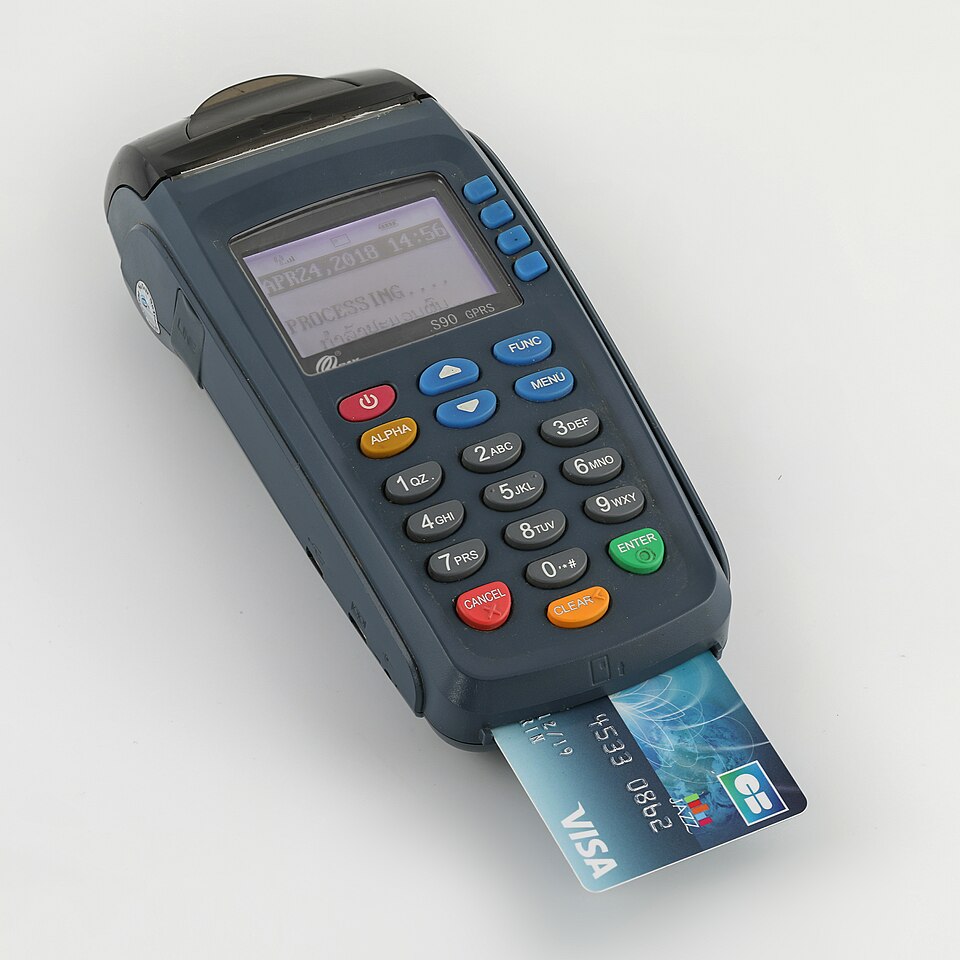
Tell your bank or credit union promptly about a debit-card charge or electronic withdrawal you did not make or allow. The Consumer Financial Protection Bureau's guidance sets different reporting deadlines for discovering a lost or stolen card and for receiving a statement showing an unauthorized transaction.
If your card or PIN is lost or stolen
Notify the bank within two business days after discovering that your debit card is lost or stolen. Under the CFPB's guidance, your responsibility is then limited to the amount of the unauthorized transactions or $50, whichever is less. Reporting after two business days can leave you responsible for up to $500.
If your security code or PIN is lost or stolen, report it within two business days of discovering that problem as well. Reporting within that period protects you from paying more than $50 for transactions made by someone who steals and uses the code or PIN.
If an unauthorized withdrawal appears on your statement
When your card, security code and PIN have not been lost or stolen, notify the bank right away and no later than 60 days after it sends the statement showing the unauthorized transaction. A statement showing an unauthorized withdrawal also matters if your card was lost or stolen: report it within 60 days after the bank sends that statement.
Waiting longer can make you responsible for later unauthorized transactions occurring after that 60-day period and before you notify the bank. To hold you responsible for those transactions, the bank must show that timely notice would have prevented them.
Notification periods must be extended when unusual circumstances, such as lengthy travel or hospitalization, keep you from reporting within the allowed time.
Follow up if the bank requests written confirmation
A bank may ask you to confirm a telephone report in writing. If you do not provide requested confirmation within ten business days, it does not have to temporarily credit your account during its investigation. The CFPB's unauthorized-transaction guidance[1] explains that requirement and the investigation process.