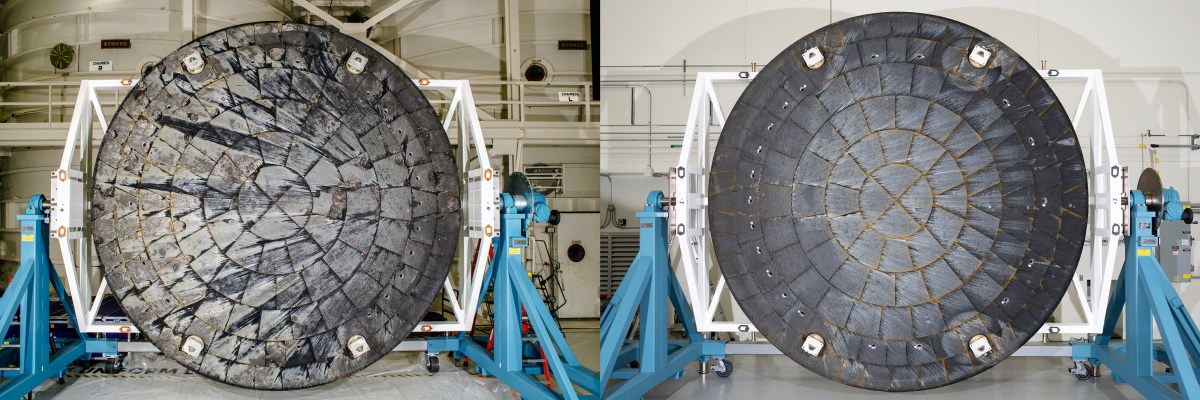
NASA found nine areas where charred material was lost from the Artemis II heat shield, compared with 103 on Artemis I, according to a post-flight analysis published October 15. The spots varied in size.
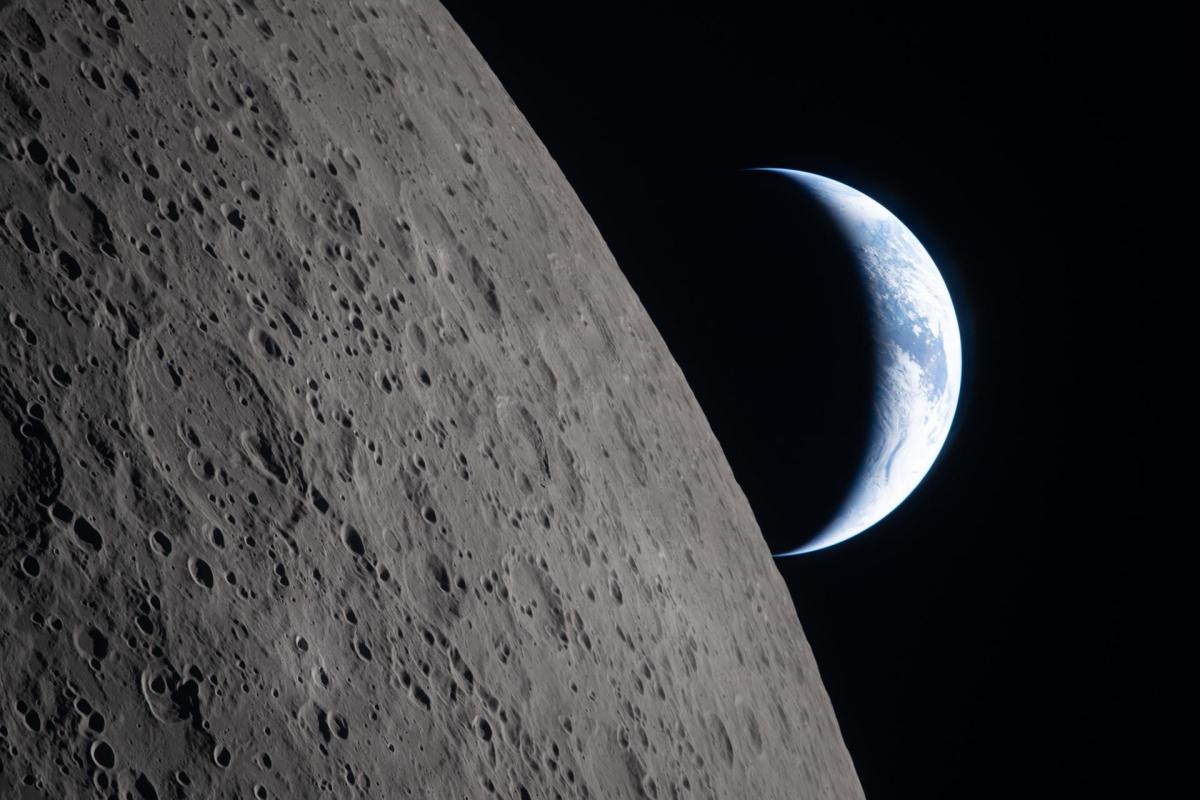
The findings concern the Orion spacecraft that carried four astronauts around the Moon and splashed down on April 10, 2026. NASA said the heat shield and the protective backshell performed in line with pre-flight engineering predictions and ground testing.
For Artemis II, NASA shortened the maximum distance Orion was allowed to travel between entering the atmosphere and splashing down. That change was intended to reduce the time the shield spent in the temperature range associated with the problems seen on Artemis I. The post-flight assessment found substantially less cracking and char loss.
Orion experienced peak external temperatures above 4,000 degrees Fahrenheit during reentry, while its cabin remained in the mid-70s Fahrenheit, NASA reported.
The shield consists of 186 blocks of an ablative material called Avcoat. After inspections at Kennedy Space Center, it was moved to Marshall Space Flight Center in Huntsville, Alabama, where sample extraction and internal X-ray scans began in August.
Testing continues. Engineers are comparing laser scans taken after the flight with earlier measurements to determine how much material receded, alongside further sample extraction, material testing and thermal analysis.