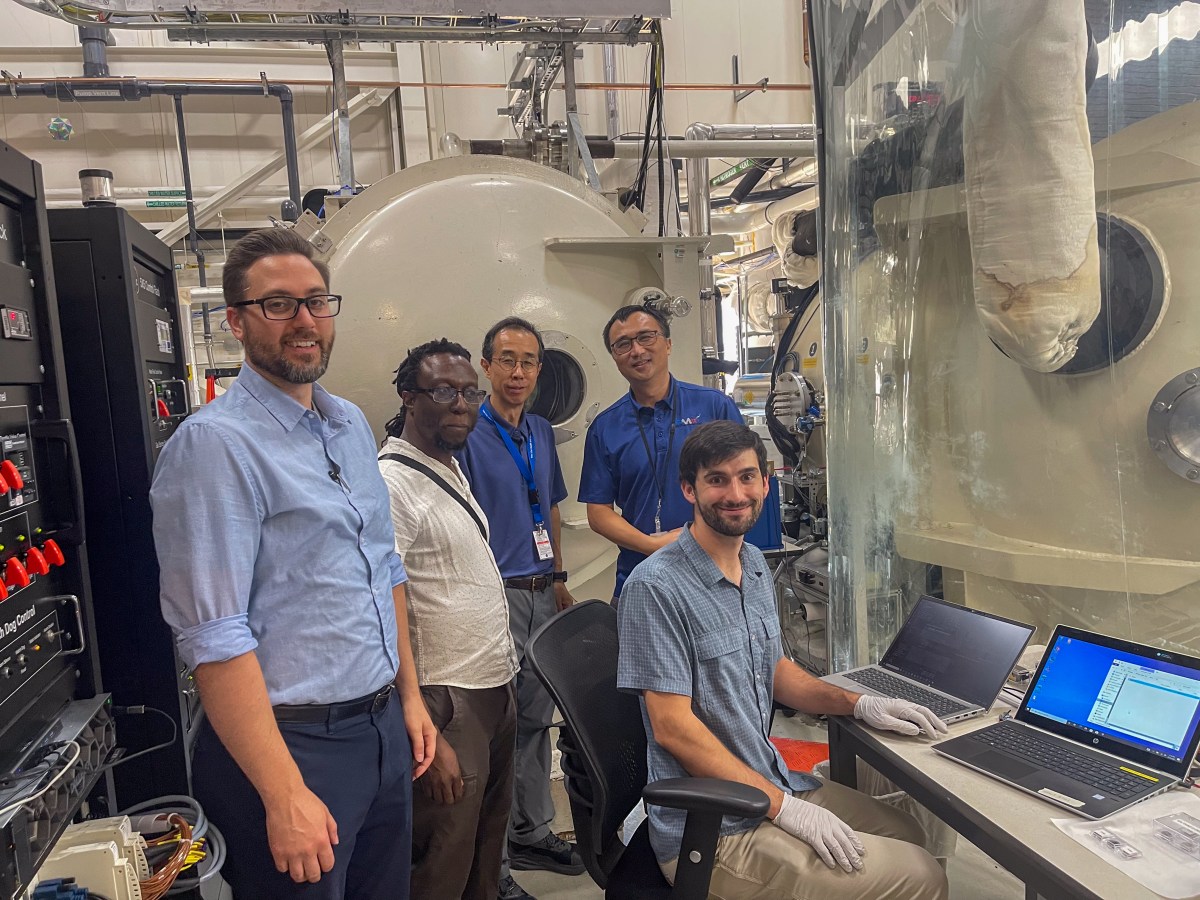
NASA says small experimental battery cells operated at minus 112 degrees Fahrenheit, or minus 80 Celsius, with slightly reduced performance during thermal vacuum tests at Langley Research Center in Virginia. The cells worked well from minus 76 F (minus 60 C) to 176 F (80 C).
Surviving cold is a different test from operating in it. The cells endured exposure down to minus 274 F (minus 170 C) without damage, according to NASA, but they cannot work at that temperature. Small heaters must bring them back into their operating range. Tests also exposed the cells to 212 F (100 C) without damage.
The design replaces liquid electrolytes with solid ceramic- or polymer-based materials. NASA says the cells can survive extreme cold without being kept warm continuously, although they still need heat when power is required after such exposure.
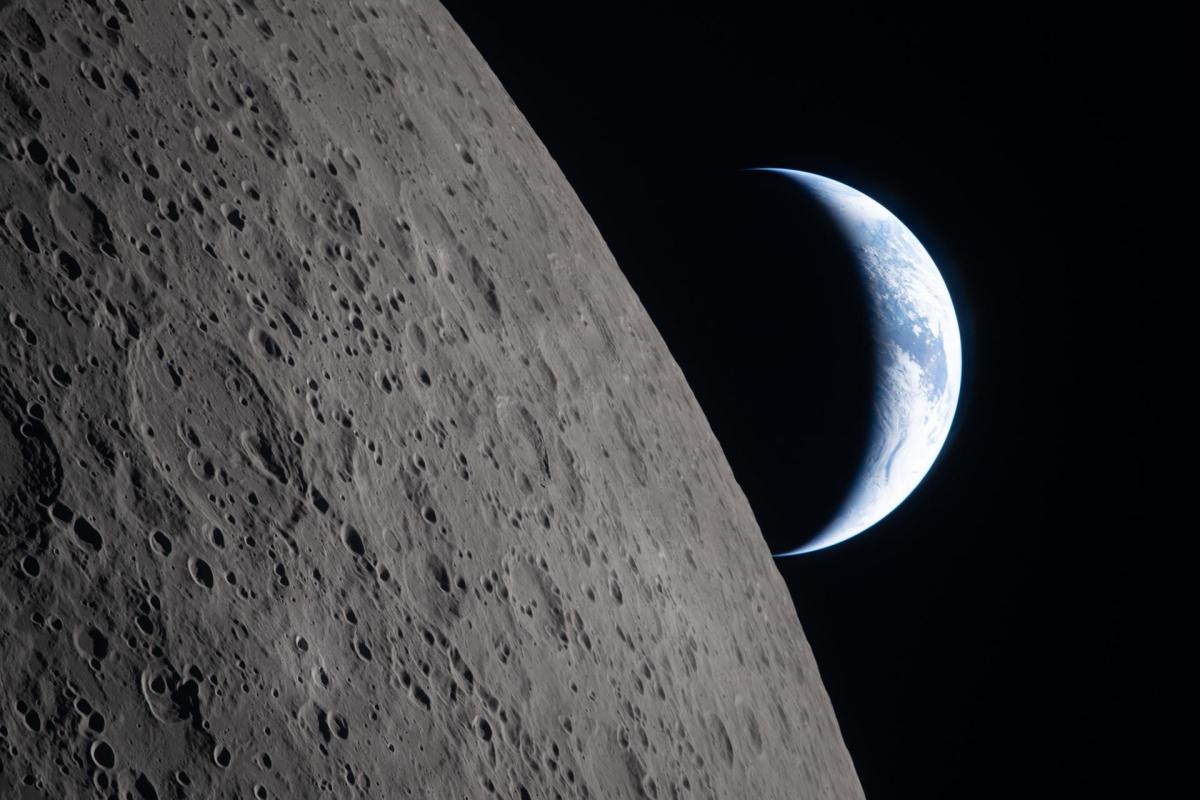
The research is part of Solid Power for Extreme Environment Adaptability and Resilience in Space, or SPEARS, led by NASA's Glenn Research Center for potential lunar use. The project began in 2026 and is focused first on technology development, with commercial collaboration a possible later step.
NASA's Ames Research Center is developing test boards and electronics to help prepare the batteries for spaceflight and testing in space environments.