A backyard compost pile needs a supply of dry material alongside your kitchen scraps. Start by collecting fruit and vegetable scraps in a closed container and setting aside dry leaves, twigs or other carbon-rich material outside. EPA's home-composting guidance[1] explains how to balance these ingredients with moisture and air.
Choose a place and prepare the materials
Pick a spot with good drainage, access throughout the year and water nearby. Keep the pile away from a fence. It can break down in sun or shade; you can build or buy a bin for it.
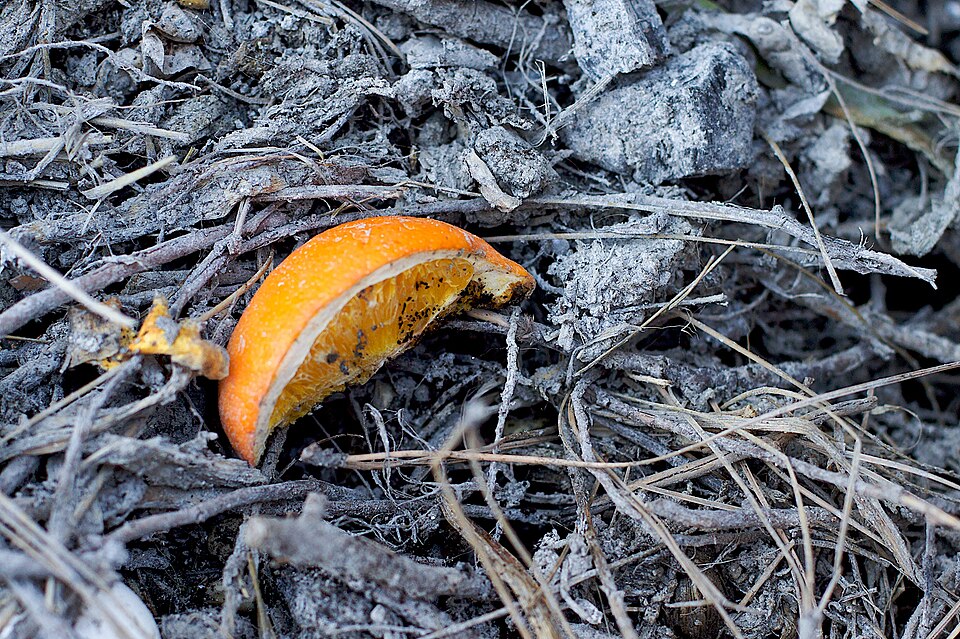
Suitable ingredients include fruit and vegetable scraps, grass clippings, coffee grounds with paper filters, dry leaves and untreated wood chips. Shredded paper should be non-glossy and uncolored; shredded cardboard should have no wax coating, tape or glue.
Keep meat, fish, bones, dairy, fats, oils and grease out, along with pet waste, cat litter, treated or painted wood, herbicide-treated plants, diseased or pest-infested plants, weeds with seeds, glossy paper and produce stickers. Do not add compostable bags or foodservice ware to a backyard pile; it generally will not get hot enough to fully break them down. Check whether a commercial composting facility accepts them before taking them there.
Build layers and cover the scraps
Break tough scraps and other ingredients into smaller pieces. Begin with four to six inches of bulky dry material, such as twigs or wood chips, then layer nitrogen-rich greens and carbon-rich browns.
EPA advises using at least two to three parts browns for each part greens, measured by volume. Cover food scraps with four to eight inches of dry leaves or other browns.
To help keep rodents out, fit a bin with a lid and consider a floor. EPA says it should have no holes or gaps larger than a quarter inch. Burying scraps, maintaining the material balance and excluding meat, dairy and greasy food are part of that prevention effort.
Adjust moisture and air as the pile develops
Turn the pile occasionally to introduce air, bringing outside material toward the center. The combined ingredients should feel like a wrung-out sponge. If the pile is too dry, moisten and turn it. If it smells bad, add dry browns and turn it; a bad smell can signal excess water or too little air. If it is not heating, EPA advises mixing in greens and turning.
Once mixing no longer produces heat and no food scraps remain visible, allow at least four weeks for curing. Move the oldest bottom material to a separate area to cure, or stop adding to the pile. Finished compost is dark, loose and crumbly and smells like fresh soil.
EPA estimates about three to five months for a well-maintained pile to finish, while an untended pile may take a year. Use the pile's condition to judge readiness; those estimates are not a guaranteed completion date.